By Dr. Michael Garko, Ph.D., M.S., M.A.
Introduction: Nature’s Subtle Science of Progress
In health, as in life, progress rarely arrives with fanfare. It comes quietly—through
consistency, patience, and the steady accumulation of small wins. This principle
extends beyond human behavior into the natural world itself. Plants, through slow,
deliberate chemistry, have evolved powerful bioactive compounds that help restore
balance, protect tissues, and sustain vitality. Just as small, mindful choices in diet and
lifestyle compound into better health, small, consistent doses of botanical support can
influence long-term wellness outcomes.
Modern science increasingly validates what traditional herbalists have known for
centuries. That is, the body responds to gentle, cumulative interventions and not just
quick fixes. Botanicals exemplify this principle, working in harmony with physiology
rather than overriding it.
The Quiet Power of Phytochemistry
Plants are master chemists. To survive harsh sunlight, pathogens, and oxidative stress,
they manufacture a vast array of phytochemicals (e.g., polyphenols, flavonoids,
alkaloids, terpenes, and organosulfur compounds that protect their own cells from
damage. Remarkably, when humans consume these same compounds, the plants’
protective chemistry continues its work inside us.
These natural molecules help neutralize free radicals, calm inflammation, support
circulation, and preserve cellular integrity (Pandey & Rizvi, 2009). In other words, the
strategies plants use to protect themselves become the very tools that help humans
adapt, repair, and thrive.
Unlike pharmaceuticals designed for rapid correction, botanicals act systemically and
adaptively. They don’t override physiology; they guide it back toward balance. This is
the quiet genius of nature and the biological expression of the small wins principle:
steady, intelligent nudges that strengthen the body’s resilience over time.
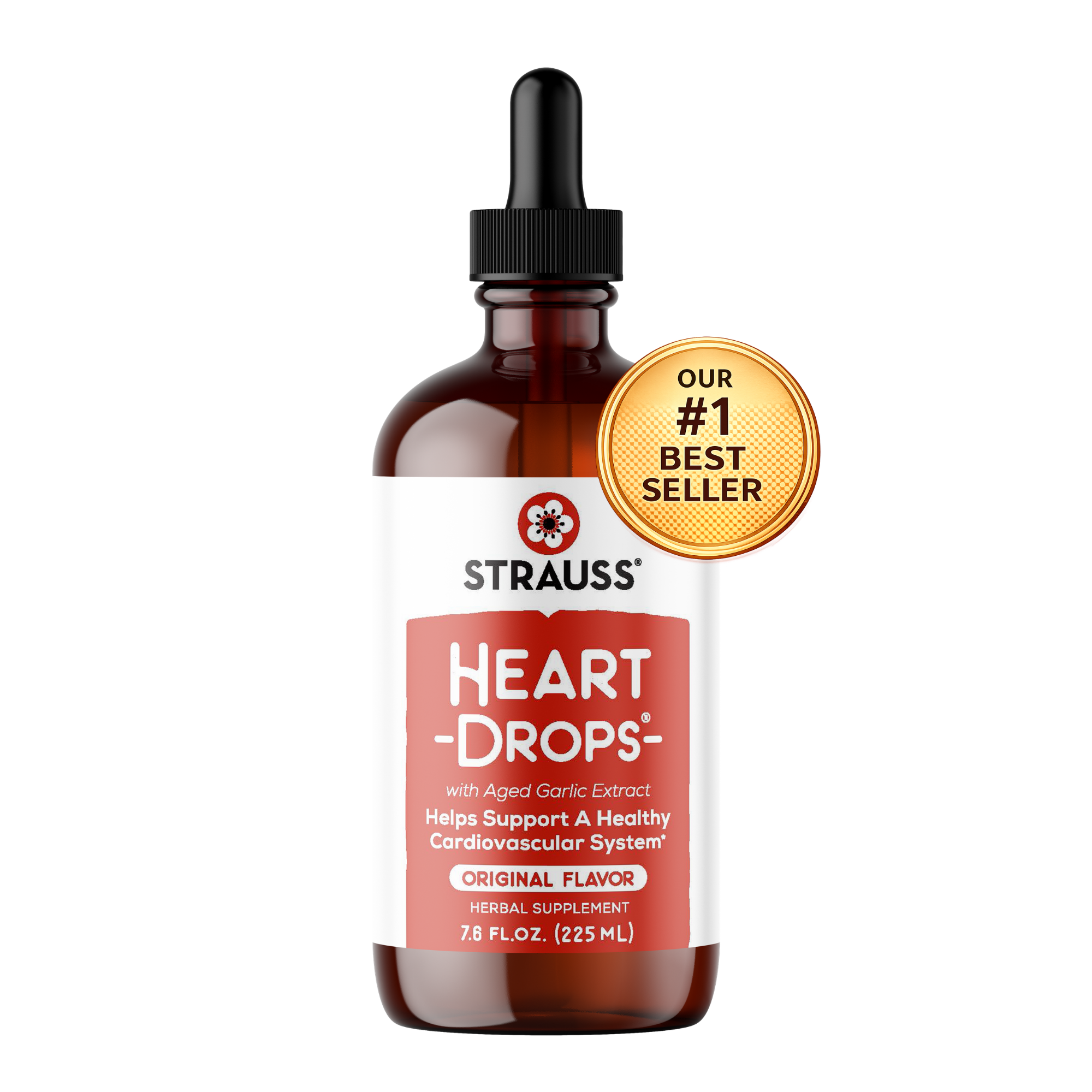
Aged Garlic Extract: When Science Refines Nature’s Design
Garlic (Allium sativum) has been revered for millennia as both food and medicine, yet
one of its most powerful forms, aged garlic extract (AGE), does not exist in nature. It is
created through a careful process of aging raw garlic in ethanol over many months, a
transformation that alters its chemistry and enhances its biological activity.
Fresh garlic is rich in allicin, alliin, and γ-glutamylcysteines, sulfur-containing
compounds responsible for its sharp aroma and antimicrobial effects. During the aging
process, these unstable molecules are gradually converted into stable, bioavailable
organosulfur compounds, most notably S-allyl cysteine (SAC) and S-allyl
mercaptocysteine (SAMC) (Amagase, 2006).
This slow biochemical evolution is more than preservation. It’s refinement. The aging
process concentrates garlic’s antioxidant potential while softening its harshness,
producing a supplement that is both gentler on the body and more potent in long-term
cardiovascular support. AGE has been shown to reduce arterial stiffness, inhibit LDL
oxidation, enhance nitric oxide bioavailability, and lower blood pressure—outcomes that
emerge gradually, consistent with the principle of small wins (Ried et al., 2016).
In a real sense, the aging of raw garlic mirrors the philosophy of small wins. Over time,
slow and subtle transformations yield something greater than the sum of its parts, a
product refined, stabilized, and strengthened through patience and natural chemistry.
Just as consistent small actions improve health, the measured aging of garlic
transforms its volatile compounds into enduring agents of resilience. Aged garlic extract
thus stands as a vivid metaphor and a living example of how both nature and science
achieve lasting progress through steady, incremental change.
Another botanical that demonstrates this quiet, cumulative power of nature’s pharmacy
is hawthorn. It is a plant whose gentle, heart-centered actions make it one of the most
respected allies in cardiovascular support.
Hawthorn: The Heart’s Botanical Ally
Hawthorn (Crataegus spp.), like aged garlic extract, is a reminder that gentle, consistent
influences often produce the most enduring results. For centuries, this small tree’s
berries, leaves, and flowers have been used as a cardiotonic, helping to strengthen and
regulate heart function. Modern pharmacology attributes these effects to hawthorn’s rich
profile of flavonoids and oligomeric proanthocyanidins (OPCs), which are plant
compounds that protect blood vessels, enhance coronary circulation, and neutralize
oxidative stress (Tadić & Singh, 2021).
Like aged garlic extract, hawthorn’s benefits accrue gradually, not dramatically. Regular
use has been shown to improve left-ventricular efficiency, support endothelial function,
and enhance nitric-oxide–mediated vasodilation, mechanisms that collectively help the
heart work with greater ease and resilience. Its antioxidant and anti-inflammatory
actions also stabilize arterial tone and counter the oxidative burden that contributes to
atherosclerosis.
In the language of small wins, hawthorn embodies the quiet strength of steady progress.
Each capsule, cup of tea, or liquid extract represents a modest reinforcement of
cardiovascular health or otherwise a small physiological “win” that, when repeated day
after day, fortifies the heart’s adaptability and endurance. Just as consistency transforms behavior, consistent exposure to hawthorn’s bioactive chemistry transforms
biology.
European Mistletoe: The Adaptive Regulator
European mistletoe (Viscum album) offers another example of nature’s incremental
wisdom. Traditionally used to modulate blood pressure and strengthen vessel elasticity,
research now suggests mistletoe extracts can regulate immune activity and reduce
vascular inflammation through lectin-mediated pathways (Oršolić et al., 2020).
Each dose of mistletoe contributes a small but meaningful physiological adjustment,
gradually guiding the body toward vascular balance and immune stability. Its actions are
bidirectional, balancing rather than suppressing or overstimulating. In this sense,
mistletoe embodies the principle of small wins: sustained, subtle corrections that
accumulate into a dynamic equilibrium where healing can occur naturally.
Its intelligence is adaptive, never abrupt, never forced. Mistletoe doesn’t impose
change; it encourages adaptation, reflecting how the most enduring forms of progress
whether biological or behavioral emerge through steady, incremental recalibration.
Cayenne and Motherwort: Circulatory and Calming Counterpoints
Where mistletoe balances, cayenne pepper (Capsicum annuum) invigorates. Its primary
constituent, capsaicin, stimulates vasodilation, enhances lipid metabolism, and
increases antioxidant enzyme activity (McCarty et al., 2015). Cayenne’s gentle warmth
promotes circulation and metabolic vitality—another example of how small, repeated
stimuli can build systemic strength over time.
In contrast, motherwort (Leonurus cardiaca) soothes. Historically used for palpitations
and nervous tension, it appears to exert mild beta-blocking and antioxidant effects,
supporting both heart rhythm stability and emotional calm (Chen et al., 2020). Together,
these two herbs illustrate the yin-yang balance of nature’s small wins, energizing when
energy is needed, restoring calm when tension rises.
Bilberry and White Willow Bark: The Vision of Restoration
Bilberry (Vaccinium myrtillus), rich in anthocyanins, supports capillary integrity and
microcirculation, protecting delicate endothelial linings in both ocular and systemic
tissues (Nakaishi et al., 2000). Its subtle vascular reinforcement complements the
broader circulatory support of garlic and hawthorn.
Meanwhile, white willow bark (Salix alba), nature’s original source of salicin, the natural
precursor to aspirin, demonstrates how the anti-inflammatory intelligence of plants
works with precision. It modulates prostaglandin synthesis without the gastrointestinal
risks associated with synthetic salicylates (Shara & Stohs, 2015).
Both herbs embody the philosophy of small wins: modest interventions that, practiced
consistently, yield significant long-term resilience.
A Symphony of Subtle Small Wins
No single herb is a miracle. Their power lies in their synergy with each contributing to a
larger physiological harmony. Together, these botanicals support endothelial integrity,
reduce oxidative load, enhance nitric oxide production, and balance vascular tone.
This orchestration mirrors the cumulative psychology of small wins: a collection of
modest, sustainable actions that together yield profound transformation. Just as a
healthier lifestyle is built from daily choices, cardiovascular resilience emerges from the
quiet consistency of nature’s pharmacy.
A Look Ahead: Integrating Nature and Behavior
The principle of small wins bridges two worlds, the behavioral and the biological. In Part
III, we’ll explore how these dimensions interact: how a healthful diet, regular movement,
stress management, and herbal support coalesce into a sustainable life- and health-
enhancing strategy for long-term cardiovascular and systemic wellness.
The lesson from both science and nature is clear: profound change rarely comes from
grand gestures. It’s the quiet, cumulative victories, the botanical and behavioral small
wins together that help sustain life and health over time.
References
✅ Amagase, H. (2006). Clarifying the real bioactive constituents of garlic. The
Journal of Nutrition, 136(3 Suppl), 716S–725S.
https://doi.org/10.1093/jn/136.3.716S
✅ Chen, C. Y., et al. (2020). Leonurus cardiaca (Motherwort): Pharmacological and
clinical review. Phytotherapy Research, 34(8), 1823–1836.
https://doi.org/10.1002/ptr.6657
✅ McCarty, M. F., et al. (2015). Capsaicin, vascular health, and metabolic
resilience. Open Heart, 2(1), e000262. https://doi.org/10.1136/openhrt-2015-
000262
✅ Nakaishi, H., et al. (2000). Effects of Vaccinium myrtillus (Bilberry) anthocyanins
on visual function and oxidative stress. Journal of Nutritional Science and
Vitaminology, 46(6), 335–342. https://doi.org/10.3177/jnsv.46.335
✅ Oršolić, N., et al. (2020). Immunomodulatory and anti-inflammatory effects of
Viscum album extracts. Molecules, 25(16), 3693.
https://doi.org/10.3390/molecules25163693
✅ Pandey, K. B., & Rizvi, S. I. (2009). Plant polyphenols as dietary antioxidants in
human health and disease. Oxidative Medicine and Cellular Longevity, 2(5),
270–278. https://doi.org/10.4161/oxim.2.5.9498
✅ Ried, K., Fakler, P., & Stocks, N. P. (2016). Effect of aged garlic extract on blood
pressure and other cardiovascular risk factors. Integrated Blood Pressure
Control, 9, 9–21. https://doi.org/10.2147/IBPC.S93344
✅ Shara, M., & Stohs, S. J. (2015). Efficacy and safety of white willow bark extract.
Phytotherapy Research, 29(8), 1112–1116. https://doi.org/10.1002/ptr.5326
✅ Tadić, P. P., & Singh, S. K. (2021). Hawthorn: Cardioprotective herb with bioactive
compounds. Frontiers in Pharmacology, 12, 641705.
https://doi.org/10.3389/fphar.2021.641705